

Sun, UV and cancer

Too much ultraviolet (UV) radiation from the sun or sunbeds can damage DNA in your skin cells and cause skin cancer.
In the UK almost 9 in 10 cases of melanoma skin cancer could be prevented by staying safe in the sun and avoiding sunbeds.
The best way to enjoy the sun safely and protect your skin is to use shade, clothing and sunscreen.
How does the sun and UV cause cancer?
Too much UV radiation from the sun and sunbeds can damage DNA in your skin cells and cause skin cancer.
The UV index and sunburn risk

In the UK, the sun is often strong enough to cause skin damage between mid-March and mid-October.
Sun safety
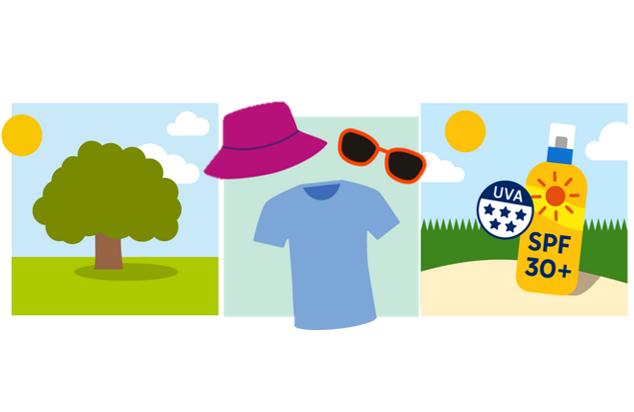
When the sun is strong spend time in the shade, cover up with clothing, and use sunscreen with at least SPF 30 and 4 or more stars
How do sunbeds cause skin cancer?
UV rays from sunbeds can damage the DNA in your skin cells and cause skin cancer.
Sun and vitamin D
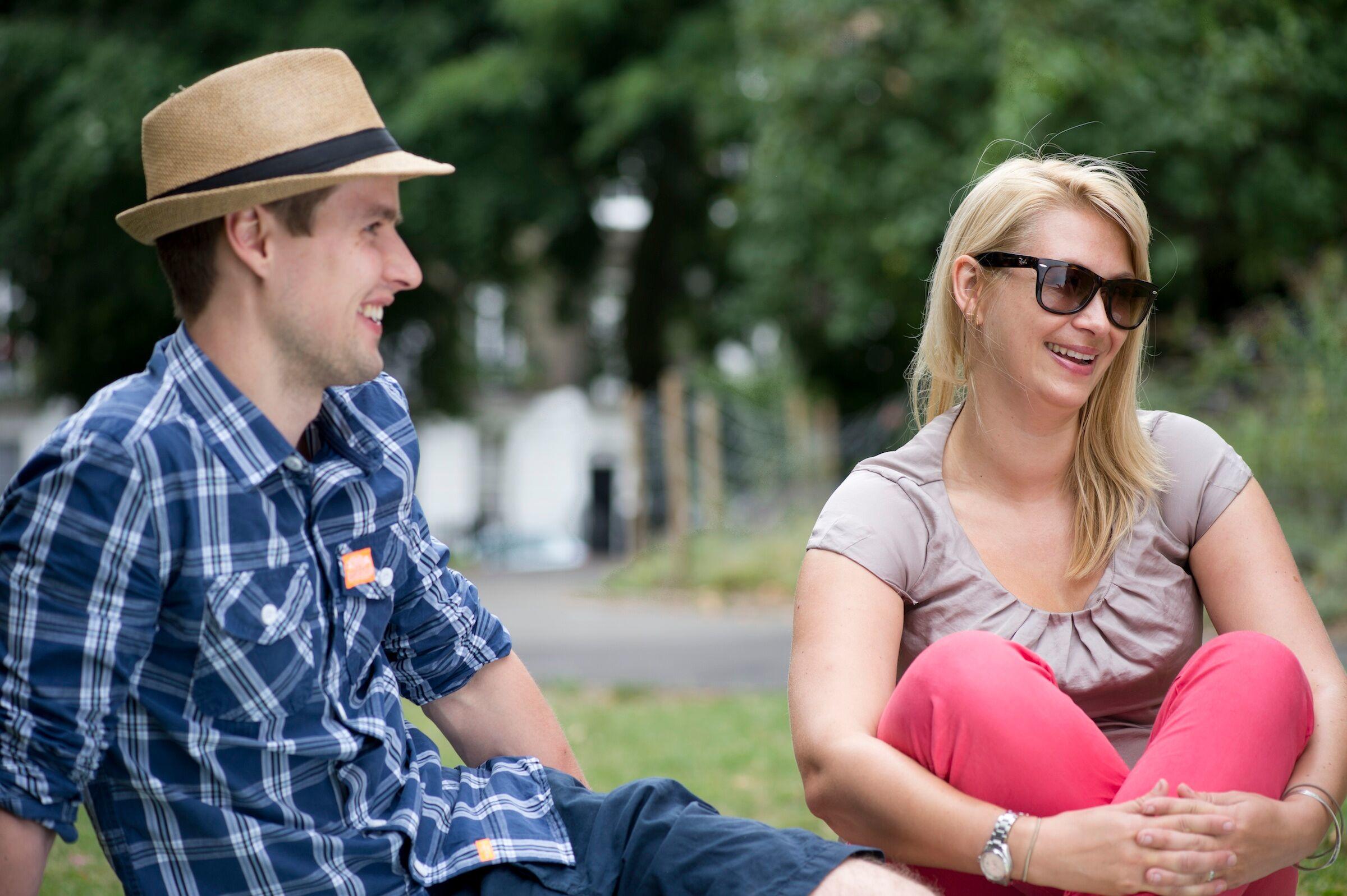
We all need some vitamin D for healthy bones. But you don’t need to sunbathe to get enough vitamin D.
Tanning, fake tan and Melanotan
If you want a tan, there are safer ways to do it than sunbathing or using sunbeds. Melanotan products are illegal.

