Vitamin D and Skin Cancer Prevention
We all need vitamin D to build and maintain strong bones. Our bodies produce vitamin D when our skin is exposed to UV rays from the sun. This is the main source of this vitamin.
Vitamin D consensus statement
Cancer Research UK have teamed up with other health organisations to bring together the latest evidence on the important but controversial topic of vitamin D. It is endorsed by the British Association of Dermatologists, Cancer Research UK, Diabetes UK, the Multiple Sclerosis Society, the National Heart Forum, the National Osteoporosis Society and the Primary Care Dermatology Society.
If you are lacking in vitamin D for a long time then your bones may soften. In serious cases this leads to rickets in children and a condition called osteomalacia in adults.
Sunlight is the main source of vitamin D, but it is also the main cause of skin cancer. Enjoying the sun safely, while taking care not to burn, can help to provide the benefits of vitamin D without unduly raising the risk of skin cancer.
The amount of time you need in the sun to make enough vitamin D changes from person to person. It also depends on things like skin type, time of day, time of year, and where you are in the world.
But the amount of time in the sun that you need to make enough vitamin D is typically short and less than the amount that makes skin redden or burn. It should be enough to regularly go outside for a matter of minutes around the middle of the day without sunscreen. When it comes to sun exposure, little and often is best, and the more skin that is exposed, the greater the chance of making enough vitamin D before burning.
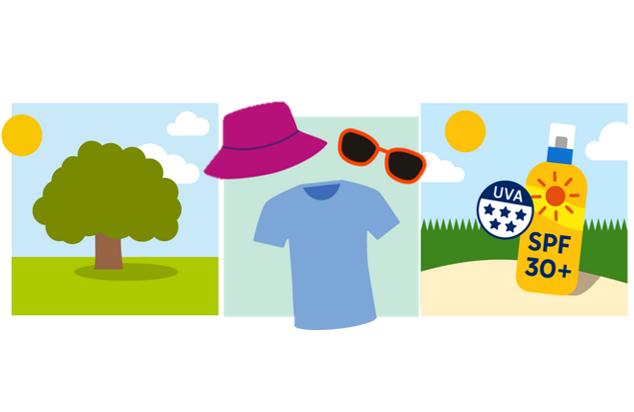
People should get to know their own skin to understand how long they can spend outside before risking sunburn under different conditions. By taking steps to avoid burning, people can achieve a balance between reducing the risk of skin cancer and enjoying the beneficial effects of the sun.
If you are fair-skinned, have lots of moles and freckles or have a family history of skin cancer, it is important to use sun protection in summer to reduce your risk of skin cancer. Sensible sun protection shouldn’t prevent you producing enough vitamin D.
You don’t need to spend hours in the sun to feel the benefits of sunlight. In fact, extra time in the sun doesn't mean you keep on producing more vitamin D. When your body has healthy levels of the vitamin any extra is just broken down.
This means that spending a long time in the sun will not give you any extra vitamin D. But it will increase your risk of skin cancer.
From October to March our skin cannot make vitamin D because of low levels of UVB in winter sunlight. But for most people if normal levels are built up in the summer, our bodies store enough of the vitamin to last us through winter.
People who are most likely to be lacking in vitamin D include:
- people with naturally brown or black skin
- people who wear clothing that fully conceals them
- older people who don’t go outside much
- pregnant women
- breast-feeding babies with vitamin D-deficient mothers
- people who avoid the sun
There are ways to raise your vitamin D levels other than increasing your sun exposure. The Government recommends that people within these groups could consider taking a 10 microgram supplement of vitamin D a day. Talk to your GP about vitamin D supplements if you are worried about your vitamin D levels.
Vitamin D is also present in foods such as eggs, fatty fish, fish liver oils and some fortified cereals.
Some studies have found a connection between high levels of vitamin D and a lower risk of bowel cancer. However, it is too early to say if vitamin D directly protects against this cancer or if it reflects another aspect of our health.
The evidence linking vitamin D to other types of cancer, such as breast or prostate cancer, is still uncertain.
More and more studies are showing that getting enough vitamin D can help to reduce the risk of bowel cancer. Some studies have suggested that having enough vitamin D protects against other cancers too but the evidence is not consistent enough for us to say for sure.
You can read more about the links between vitamin D and other cancers on our blog.
By enjoying the sun safely and avoiding sunburn, people can reduce their risk of skin cancer and enjoy the beneficial effects of the sun. It’s possible to get the best of both worlds.
We base our SunSmart messages on scientific evidence and review them regularly. Vitamin D is an important research topic and we will continue to update this section when new evidence about vitamin D and cancer becomes available.
If you are interested in learning more about scientific studies on vitamin D then take a look at our How do we know? section.